Street Art Puzzles: The Pulse of Streets Today Now
- puzzleartaustralia
- Feb 1
- 4 min read
Introduction to Street Art Puzzles
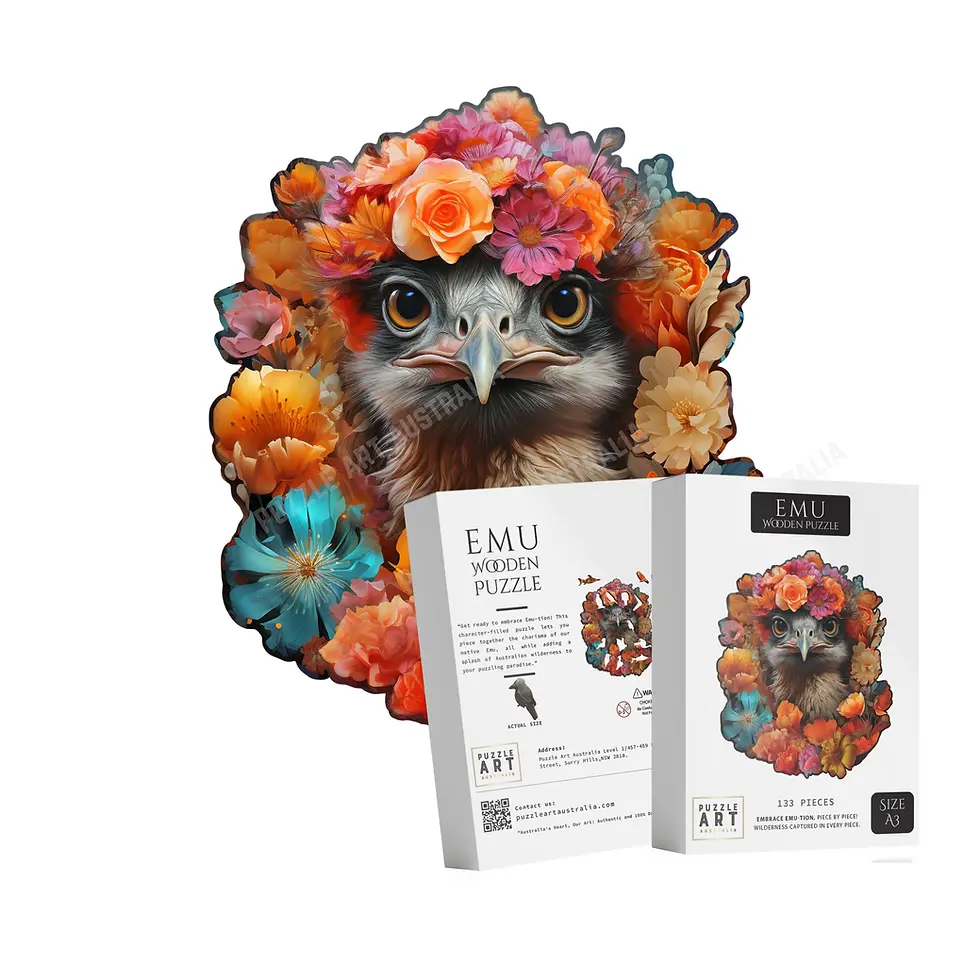
Street art puzzles transform the raw, rebellious spirit of urban walls into captivating jigsaw experiences. These puzzles feature bold graffiti tags, intricate murals, powerful stencils, layered wheatpastes, and large-scale public artworks that pulse with color, attitude, and meaning. Unlike serene nature scenes or classic paintings, street art designs explode across the puzzle surface with dripping paint effects, overlapping letters, symbolic figures, social commentary, and textured backgrounds that imitate cracked concrete, rusted metal, or weathered brick.
The moment you spread out the pieces, you feel the energy of the city. Every connection brings you closer to a frozen moment of street creativity—something that was once sprayed, stenciled, or pasted in the dead of night and might already be gone or painted over. Assembling these puzzles becomes a way to preserve and celebrate ephemeral urban expression, turning transient art into something you can hold, complete, and display forever.
What Makes Street Art Puzzles Stand Out?
Street art puzzles thrive on visual complexity and deliberate disorder. Many designs layer multiple techniques—wildstyle lettering bleeding into photorealistic portraits, geometric patterns clashing with organic shapes, bright neons contrasting gritty monochromes. This creates a high level of challenge: similar shades merge seamlessly, edges disappear into shadows or drips, and repeating motifs appear in unexpected places.
The lack of traditional focal points forces puzzlers to engage deeply with the entire surface. You might spend minutes studying a single tag only to realize it connects to a larger symbolic element across the board. Premium wooden editions add another dimension—thicker pieces with satisfying weight, laser-cut precision, and sometimes custom whimsy shapes that echo spray-can nozzles, stencils, or iconic urban symbols. Once finished, these puzzles often become bold statement pieces on walls, mirroring the way street art claims space in public environments.
Australian street art puzzle collections stand out for their ability to blend vibrant local laneway culture, powerful Indigenous influences, and contemporary urban voices into designs that feel both distinctly homegrown and universally resonant.
Mental and Emotional Benefits
Street art puzzles sharpen several key cognitive skills. The intricate layering trains exceptional visual discrimination—you learn to spot minute differences in hue, texture, line weight, and shading that would be invisible in simpler designs. Pattern recognition improves as you track recurring symbols or stylistic signatures across the chaotic composition. Patience and perseverance grow naturally when pieces that look identical turn out to belong miles apart on the board.
Emotionally, these puzzles evoke the thrill of real street art discovery—walking around a corner and suddenly facing a massive mural that stops you in your tracks. The bold imagery sparks curiosity and conversation: What does that symbol mean? Who created this? What message is being sent? For many, puzzling becomes a mindful escape that quiets racing thoughts while keeping the brain gently engaged. Group sessions often turn lively as people debate interpretations or share memories of favorite urban artworks they’ve seen in person.
The Evolution of Street Art Puzzle Culture
Street art’s journey from underground rebellion to mainstream cultural force has naturally extended into the puzzle world. Early releases focused on reproducing famous murals or generic graffiti aesthetics. Today, many brands collaborate directly with living street artists, licensing real works or commissioning originals designed specifically for the puzzle format. Preservation projects have emerged too—capturing endangered or already-covered pieces so future generations can experience them.
Social media has fueled explosive growth. Puzzlers share time-lapse assembly videos, close-up detail shots, and finished displays, inspiring new releases and cross-pollination between street art and puzzle communities. The category now includes everything from hyper-detailed photorealistic reproductions to abstract explosions of color and politically charged narrative works.
Practical Strategies for Street Art Puzzle Success
Sorting is the biggest initial hurdle. Group pieces by dominant color families first (neons, darks, mid-tones, whites), then look for recurring motifs—arrows, crowns, eyes, hands, or signature tags. Work under strong, diffused light to catch subtle gradients and texture variations that vanish under harsh bulbs.
Build from standout elements—central characters, large letters, or bold color blocks—then expand outward. The background often resolves last as connecting patterns emerge. Take frequent breaks; stepping away frequently reveals connections your tired eyes missed. Many enthusiasts pair the activity with urban playlists—hip-hop, electronic, or lo-fi beats that match the street vibe.
Display options abound once complete. Shadow-box frames highlight wooden texture, simple poster frames work for cardboard versions, or puzzle glue plus a canvas backing creates sturdy wall art that brings street energy indoors permanently.
Conclusion
Street art puzzles do far more than challenge your spatial skills—they bridge the gap between fleeting public expression and personal, lasting enjoyment. They honor the courage of artists who claim city surfaces as canvas, preserve messages that might otherwise vanish, and invite puzzlers to engage with contemporary culture in a deeply tactile way. In a digital age, these physical, hands-on tributes to street creativity feel refreshingly real.
Whether you’re drawn to the technical mastery of layered murals, the raw power of social commentary, or simply the electric colors of urban art, street art puzzles offer an immersive, rewarding escape. Spread out the pieces, embrace the beautiful chaos, and watch an entire city story come together—one defiant, vibrant connection at a time.
FAQs
Q: How do street art puzzles differ from traditional jigsaws?
A: They feature graffiti, murals, stencils, and urban textures with heavy layering, symbolic elements, and abstract energy instead of realistic or calm scenes.
Q: Are street art puzzles harder to complete?
A: Usually yes—the blended colors, irregular edges, and repetitive motifs create added difficulty, but the dynamic subject matter keeps the challenge engaging rather than frustrating.
Q: Who enjoys street art puzzles the most?
A: Fans of contemporary art, urban culture enthusiasts, graffiti admirers, and anyone who loves bold, expressive designs; they particularly appeal to adults and creative teens.
Q: Can you frame or display a finished street art puzzle?
A: Definitely—many people frame them professionally or use simple stands to showcase the completed work as striking, conversation-starting decor.
Q: Why do street art puzzles feel so rewarding?
A: The process mirrors the excitement of discovering real street art in the wild—combining mental stimulation, emotional uplift, and the deep satisfaction of preserving something powerful and transient.
Ready to bring the streets to your table? The walls are calling.


Comments